AI Can Create More Content. Can Your Brand Keep Up?

AI has made it easier for almost anyone in an organization to create marketing materials.
A branch manager can draft a social post. A salesperson can build a presentation. A human resources team can generate a recruiting flyer. Even external partners can quickly create branded materials. With the right prompt, each person can have something polished in minutes.
That speed creates real opportunity. It also creates a new brand management challenge. When more people can create, more people can introduce a different message, an outdated logo, an inconsistent visual style, or another version of an asset that already exists.
The individual piece may look perfectly acceptable. Across the organization, however, those small variations can make one brand feel like many.
AI did not create brand drift. It made brand drift faster.
That is why the most important question is not whether your organization should use AI. It should.
The question is whether your people, assets, standards, and approval processes are prepared to use it without losing what makes your brand recognizable.

Where AI Excels
Let's give AI credit where it's due.
Need help generating headlines? AI can help.
Need a first draft of a blog, email, or social post? AI can help.
Need assistance organizing research, identifying trends, or uncovering insights in a mountain of data? AI can help there too.
Used correctly, AI helps teams work faster and spend less time on repetitive tasks.
The real opportunity isn't replacing marketers or designers.
It's giving them more time to focus on strategy, creativity, customer experience, and the bigger business challenges that technology alone can't solve.
The Bigger Risk Isn't Bad Content. It's Brand Drift.
Most conversations about AI focus on accuracy and misinformation. Those risks matter, but for many organizations, the bigger challenge is maintaining a clear and consistent brand.
Consider a marketing leader overseeing 20 branches. AI does not create just one new piece of content. It gives people across 20 locations the ability to create 20 localized versions, each shaped by a different prompt and a different understanding of the brand. The efficiency is real. So is the risk.
As more teams use AI to create content, graphics, presentations, and marketing materials, brands run the risk of drifting away from the standards, voice, and visual identity that make them recognizable. The content isn't necessarily bad. It just starts to sound like everyone else's, or feel slightly different from one touchpoint to the next.
Messaging becomes inconsistent.
Visual styles vary.
Local teams modify materials to fit immediate needs.
Over time, those small inconsistencies add up.
The result isn't necessarily poor marketing. It's a brand experience that feels fragmented, making it harder for customers to recognize, trust, and connect with your organization.

Where Humans Still Matter Most
AI can process information quickly. Understanding context, nuance, and business priorities still requires people.
AI doesn't know why your customers choose you over a competitor. It doesn't understand your company culture, your operational challenges, or the conversations happening between your team and your customers.
Most importantly, it doesn't understand the business problem you're trying to solve. That's where experienced marketers, designers, and strategists make the difference.
Great marketing isn't just about producing content. It's about making intentional decisions that align messaging, visuals, customer experience, and business objectives.
At Systemax, we're passionate about Solving Business Problems Creatively.
That means looking beyond the content itself and focusing on how every touchpoint works together to support the brand and the business behind it.
AI Makes Creation Easier. Brand Management Matters More.
One of the biggest misconceptions about AI is that it makes expertise less important.
In reality, it often raises the stakes.
The easier it becomes to create content, graphics, and marketing materials, the easier it becomes for organizations to lose consistency. We've already seen this challenge with templates, DIY design tools, and decentralized marketing efforts. AI simply accelerates it.
A graphic gets modified.
A logo is used incorrectly.
A new piece of content doesn't match the brand voice.
An AI-generated asset looks fine on its own but doesn't align with the rest of the customer experience.
None of those issues seem like a big deal in isolation. When they happen across dozens of teams, locations, and touchpoints, they become much harder to ignore.
That's why strong brands need more than content creation tools. They need the right systems, standards, and processes to keep people, assets, and execution aligned as they create and scale.
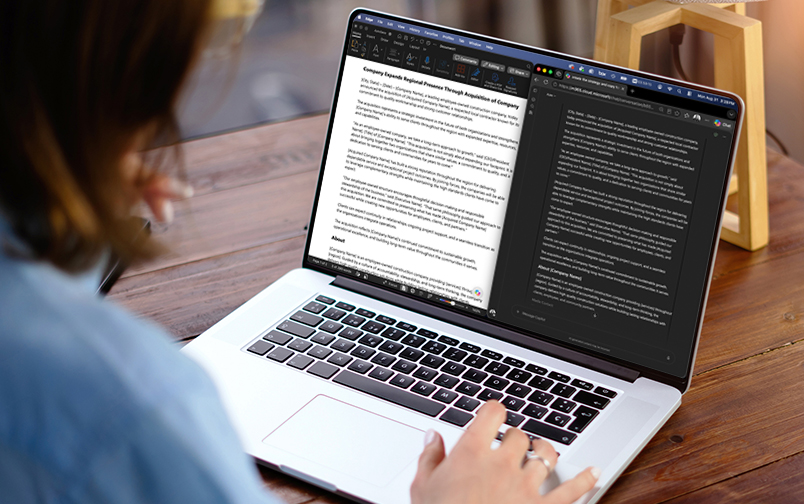
How to Use AI Without Losing Control of Your Brand
Using AI intentionally requires more than writing a detailed prompt. As more people gain the ability to create content and marketing materials, organizations need clear guardrails to keep every output aligned with the same brand.
The goal is not to slow teams down. It is to give them the assets, standards, and processes they need to move faster without creating unnecessary inconsistency.
Centralize approved brand assets.
Give teams one reliable source for current logos, templates, messaging, photography, and specifications.
Define who can create, modify, and approve.
AI expands access to creation. Clear roles prevent one-off content from becoming unofficial brand material. Treat AI like a contributor, not a final approver. Brand decisions should still be guided by people who understand the business, the audience, and the standards behind the brand.
Build brand standards into the input.
Do not ask AI to sound "professional" or "friendly." Supply approved voice principles, audience insight, terminology, examples, and restrictions.
Match oversight to risk.
A brainstorming draft and a regulated customer communication should not follow the same review process.
Control the final mile.
An approved concept can still become inconsistent when it moves into print, apparel, promotional products, signage, digital advertising, or local execution.
Make the approved option the easiest option.
Templates, storefronts, workflows, and centralized assets help teams move faster without improvising the brand every time.

The Future Belongs to AI + People
As AI continues to evolve, creating content will become easier for everyone.
That's exactly why strategy, creativity, and brand consistency will become more important.
The competitive advantage won't belong to the company generating the most content. It will belong to the organization that understands its customers, communicates clearly, and delivers a consistent brand experience across every touchpoint.
At Systemax, we believe:
Creativity gets attention. Consistency builds recognition.
The most effective brands need both.
That's why we bring creative marketing together with Brand Asset Management, apparel, print, promotional products, online company stores, production, fulfillment, and distribution. We help organizations organize the people, ideas, assets, and execution behind growing brands so teams can create boldly while showing up consistently.
The Bottom Line
AI is here, and it's changing how marketing gets done.
Businesses should absolutely embrace it.
Used well, AI can improve efficiency, spark ideas, accelerate execution, and help teams accomplish more than ever before.
But creating content is only part of the equation. As AI makes creation easier across departments, teams, and locations, maintaining control of the brand becomes more important.
The real challenge is making sure everything you create still reflects your brand, supports your business goals, and delivers a consistent experience wherever customers encounter it.
AI can write the email. It can mock up the graphic and even generate the headline.
But it can't decide which version is right, keep every team aligned, or ensure each touchpoint feels like part of the same brand. That still requires human judgment, clear standards, and the right systems behind the work.
The organizations that gain the greatest advantage from AI won't simply create more. They'll create faster while maintaining the consistency that makes their brand recognizable.
At Systemax, we help organizations organize the people, assets, standards, and execution behind growing brands so teams can create boldly without sacrificing consistency.
Brand Control Starts Here.
The 2024 Paris Olympic Games present a unique and exciting opportunity for local businesses to tap into a large, engaged television audience. The Olympics attract millions of viewers from all over the globe, and a significant portion of those watch their local stations, creating opportunities for highly effective local TV advertising campaigns. And even though national campaigns were booked long ago, it’s not too late for local advertisers. Near-to-air inventory may still be available at many local stations, providing unique opportunities for local advertisers.
THE STRATEGY & PLAN
The Olympics is one of the few events that captivate a global audience, transcending cultural and geographical boundaries. For local advertisers, this means a diverse and extensive viewership. The 2024 Paris Olympics promise to be no different, with a schedule packed with a wide variety of sports that appeal to a broad range of viewers. There’s something for everyone, from traditional favorites like athletics and swimming to newer additions like skateboarding and surfing.
Why Local TV Advertising?
- Geo-Targeted Reach: Local TV advertising allows businesses to target their immediate geographic area. This ensures that the ads are seen by potential customers within the vicinity of the business, increasing the likelihood of conversion.
- Community Connection: Local businesses often better understand their community’s needs and preferences. Local TV ads can be tailored to reflect community values, culture, and events, fostering a stronger connection with the audience.
- Cost-Effective: Local TV ads are more affordable than national TV spots, making them accessible to small and medium-sized businesses. This allows even those with smaller budgets to leverage the massive viewership of the Olympics.
- High Engagement: The immersive nature of TV viewing, combined with the excitement of the Olympics, leads to higher engagement levels. Viewers are more likely to remember ads they see during noteworthy events.
Strategies for Effective Local TV Advertising
- Align with the Olympic Spirit: Themes of perseverance, unity, and excellence resonate well during this time. For instance, a local sports store could highlight local athletes who have shown Olympic-like dedication and skill. Another example might be a local restaurant promoting healthy eating habits inspired by the athletes’ diets.
- Leverage Local Heroes: If your area has athletes competing in the Olympics, consider featuring them in your ads. This builds local pride and provides a relatable figure for your audience.
- Promote Special Offers and Events: Use the Olympics as a backdrop for special promotions or events. For example, a restaurant might offer special deals during game times or host viewing parties.
- Storytelling: People connect with stories. Craft narratives that tie your business to the Olympic ideals. For example, a gym could tell the story of a member who achieved remarkable fitness goals, drawing a parallel with Olympic athletes’ journeys.
- Visual and Emotional Appeal: High-quality visuals and emotional storytelling can make your ads memorable. Use the dynamic and vibrant imagery of the Olympics to enhance your ads.
- Call to Action: Ensure your ads have a clear call to action. Whether viewers visit your store, take advantage of a limited-time offer, or join an event, they should know what to do next.
Timing and Placement
- Timing is crucial for TV advertising. Ads placed during prime-time events or popular sports will have higher viewership but also higher costs. Balancing budget and desired reach is critical.
- Prime-Time Events include the opening and closing ceremonies, significant finals, and popular sports like gymnastics and track and field. Local station breaks during prime-time broadcasts provide opportunities for local advertisers to access the highest viewership.
- Niche Sports: Placing ads during less mainstream sports can be cost-effective while still reaching engaged viewers. Sports like archery, fencing, skateboarding, or surfing have dedicated audiences that could be highly relevant for specific local businesses.
- News and Recaps: Local news and daily Olympic recaps are watched by those who want to stay up to date but who are unable to watch live events. These segments often have consistent viewership and are a good opportunity for local businesses.
The 2024 Paris Olympics present an unparalleled opportunity for local businesses to reach a broad and engaged audience. By leveraging local TV advertising, businesses can create targeted, memorable, and effective campaigns that resonate with their community. With thoughtful planning, creative execution, and diligent measurement, local advertisers can capitalize on this global event and drive significant business growth.
Interested in placing your company’s story in front of the eyes of many? Lets start from the top and go higher! Speak with one of our Strategy Marketing Directors today.
Heading 2
Ut enim ad minim veniam, quis nostrud exercitation ullamco laboris nisi ut aliquip ex ea commodo consequat. Duis aute irure dolor in reprehenderit in voluptate velit esse cillum dolore eu fugiat nulla pariatur.
Heading 3
Ut enim ad minim veniam, quis nostrud exercitation ullamco laboris nisi ut aliquip ex ea commodo consequat. Duis aute irure dolor in reprehenderit in voluptate velit esse cillum dolore eu fugiat nulla pariatur.
Heading 4
Ut enim ad minim veniam, quis nostrud exercitation ullamco laboris nisi ut aliquip ex ea commodo consequat. Duis aute irure dolor in reprehenderit in voluptate velit esse cillum dolore eu fugiat nulla pariatur.
Heading 5
Ut enim ad minim veniam, quis nostrud exercitation ullamco laboris nisi ut aliquip ex ea commodo consequat. Duis aute irure dolor in reprehenderit in voluptate velit esse cillum dolore eu fugiat nulla pariatur.
Heading 6
Lorem ipsum dolor sit amet, consectetur adipiscing elit, sed do eiusmod tempor incididunt ut labore et dolore magna aliqua. Ut enim ad minim veniam, quis nostrud exercitation ullamco laboris nisi ut aliquip ex ea commodo consequat. Duis aute irure dolor in reprehenderit in voluptate velit esse cillum dolore eu fugiat nulla pariatur.
Block quote - Duis aute irure dolor in reprehenderit in voluptate velit esse cillum dolore eu fugiat nulla pariatur.
Ordered list
- Item 1
- Item 2
- Item 3
Unordered list
- Item A
- Item B
- Item C
Bold text
Emphasis

.jpg)