A Brand Manager's Playbook for Mergers & Acquisitions

When Two Brands Become One
Somewhere between the press release and the rebranded coffee mugs, things get complicated.
A merger or acquisition is one of the most visible moments in an organization's life. Leadership is focused on strategy, structure, and stakeholders. But the brand team is quietly staring down a very different challenge: every touchpoint that carries your name, from the sign above the door to the polo on a team member's back to the digital ad running right now on LinkedIn, needs to reflect one unified identity. At every location. On day one.
The organizations that pull this off don't just have good intentions. They have a plan. Here's what that looks like.
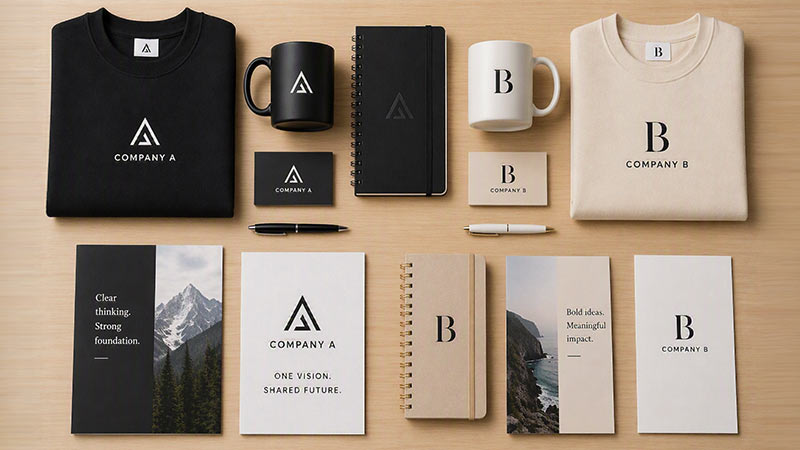
Start with a full brand asset audit.
Before anything new is produced, you need a clear picture of what exists across both organizations. That means taking inventory of every place your brand lives:
- Digital assets: logos, templates, presentation decks, social profile graphics, digital ad creative, email headers
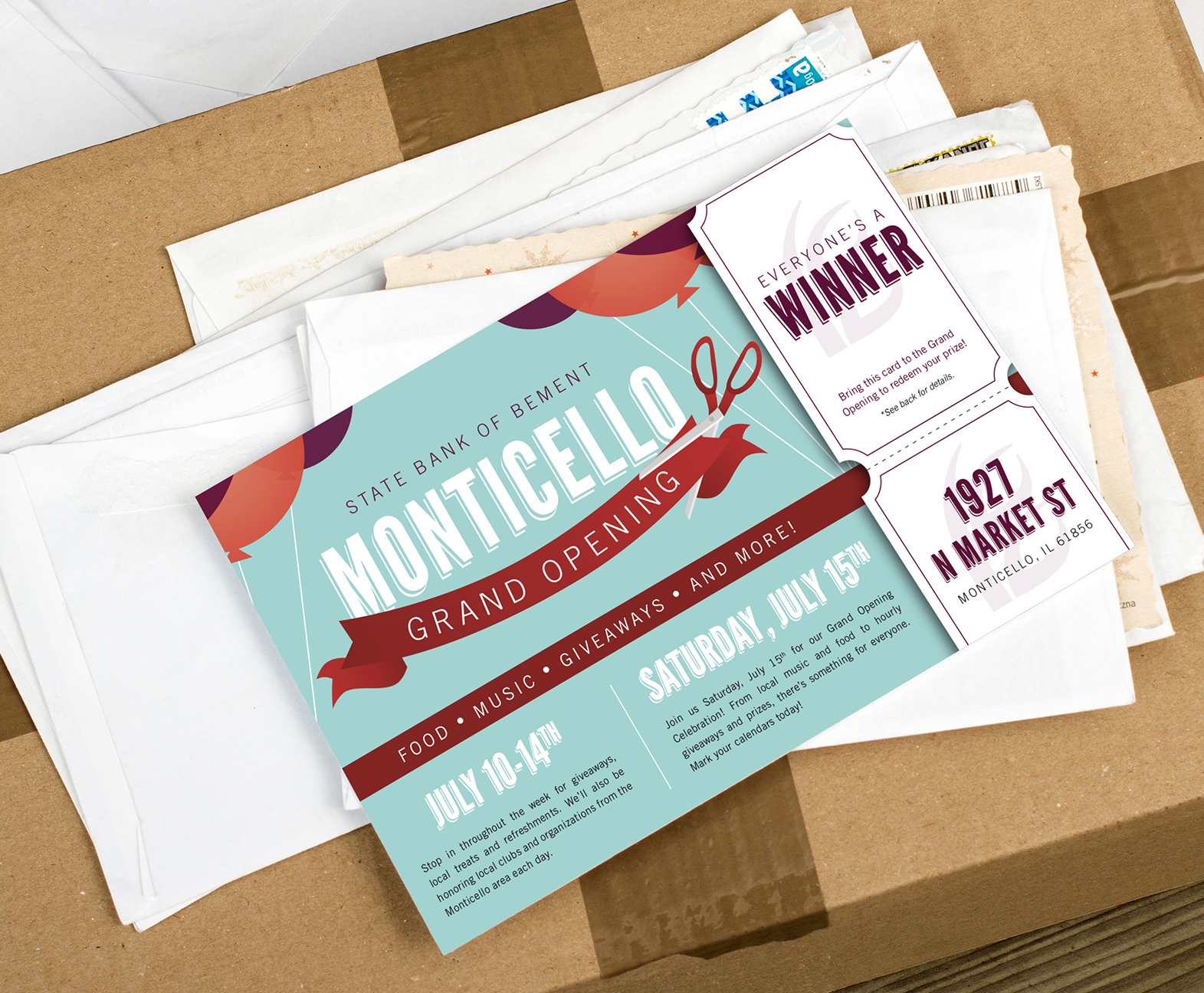
- Print collateral: brochures, sell sheets, business cards, direct mail materials, signage
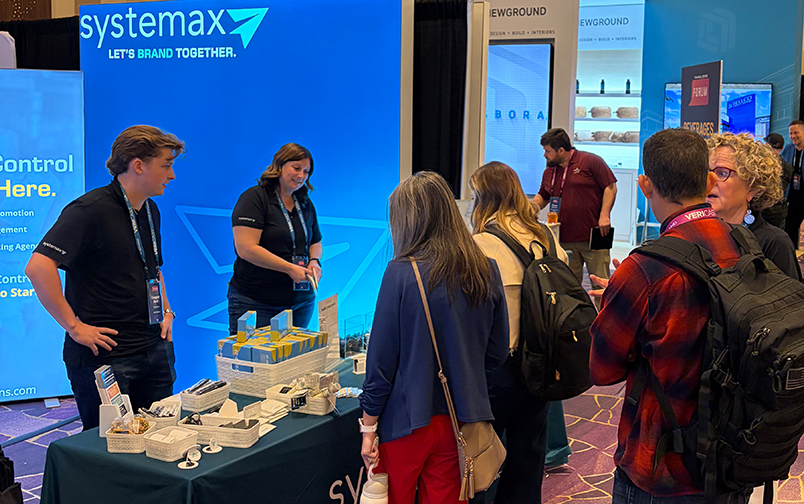
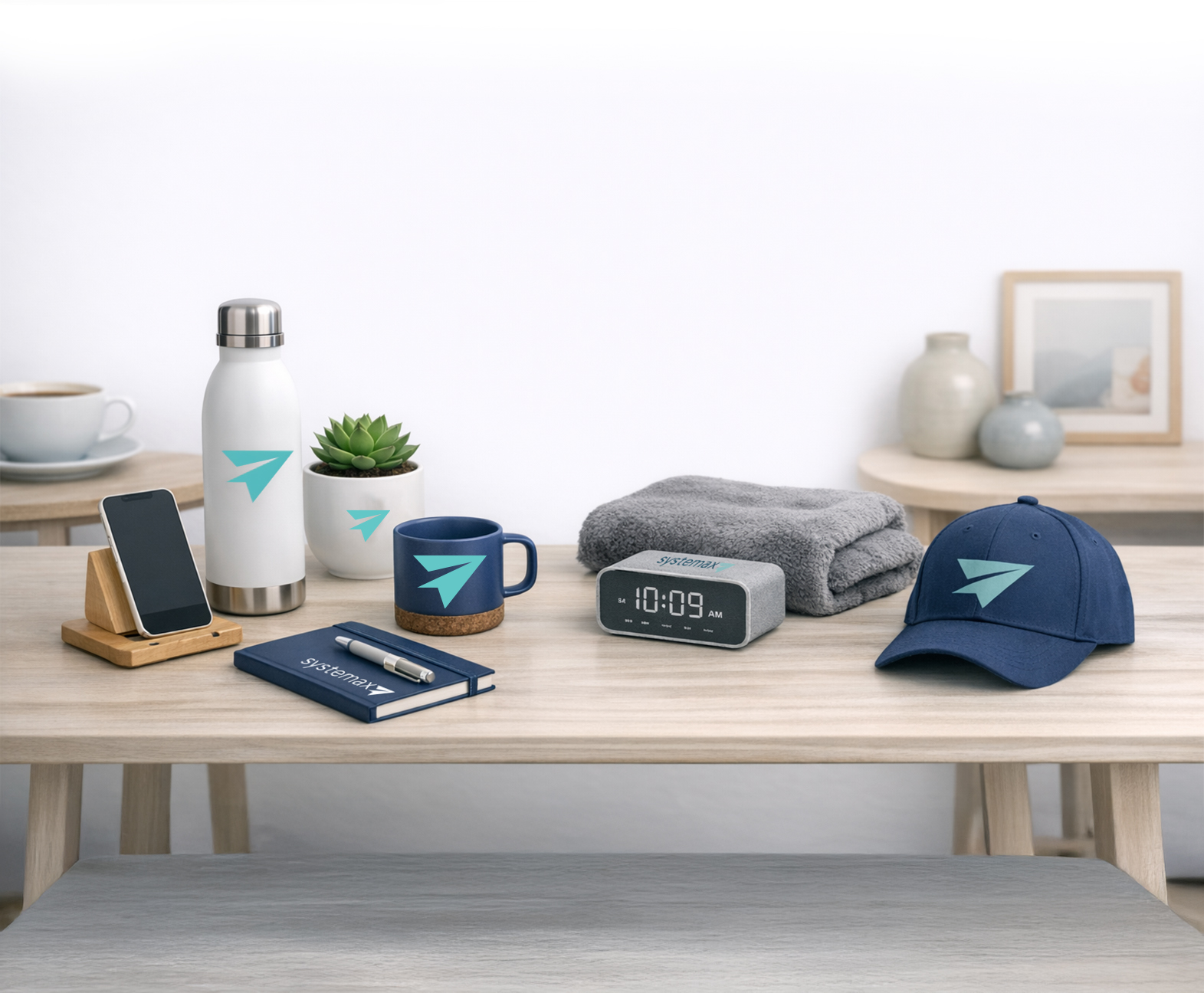
- Physical inventory: branded apparel, promotional products, event and tradeshow materials
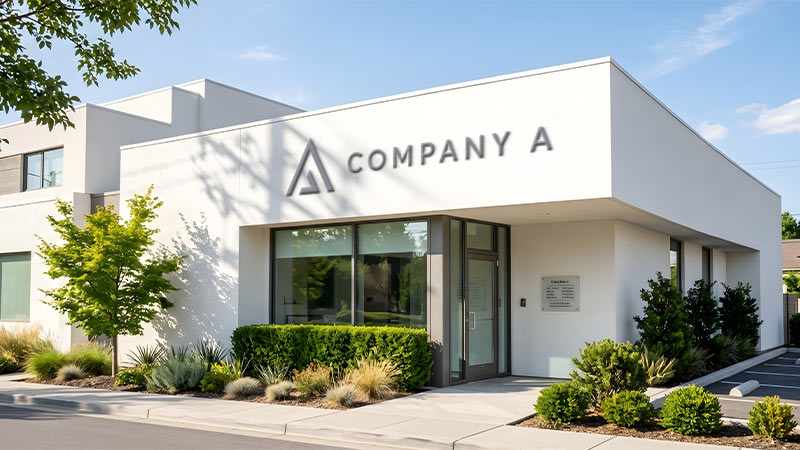
- Environmental branding: branch and office signage, lobby displays, wayfinding, vehicle wraps
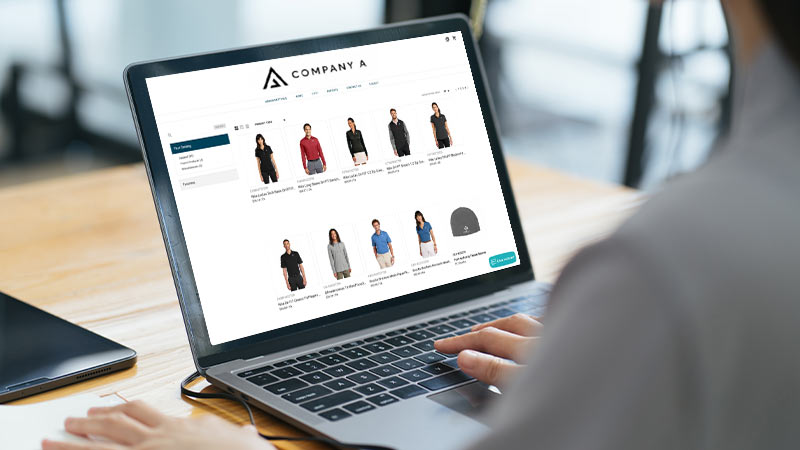
- Online storefronts or hub sites: any platform where team members order branded materials internally
The audit gives you two things: a prioritized list of what needs to change first, and clarity on what existing inventory can bridge the gap during the transition versus what needs to be retired immediately.
Most organizations are surprised by how many touchpoints they have once they actually lay them all out. Knowing the full list upfront is what prevents surprises mid-rollout.
Lockdown the new identity before production begins.
Whether the resulting brand is one legacy identity carried forward, a blend of both, or something entirely new, the guidelines need to be finalized before a single asset is produced. Logo, color palette, typography, tone, usage rules. All of it locked and communicated clearly to every team and vendor involved.
This is where many M&A rebrands start to drift. Without centralized brand governance, individual departments or locations start making their own calls. A location here, a vendor there. Before long you have three versions of the new logo in circulation and a brand that looks different depending on which city you walk into.
The fix is a centralized system for asset management and distribution. One place where the approved files live, with controlled access and approval workflows built in, so the right materials are the only materials any team can order or use.
Phase the rollout strategically.
You can't change everything at once, and you shouldn't try. A phased approach keeps costs manageable, timelines realistic, and the brand experience consistent where it matters most. A practical order of priority:
- Phase 1 (Immediate): customer-facing digital: website, email headers, social profiles, digital advertising
- Phase 2 (High Visibility): branch and office signage, environmental branding, apparel for client-facing teams
- Phase 3 (Mid-Tier): internal communications templates, sales collateral, business development materials
- Phase 4 (Ongoing): promotional products, event materials, branded merchandise, specialty items
This order protects the customer experience first, then works inward. It also lets you phase the budget rather than taking one large hit up front.

Bring your people along.
Internal brand adoption matters just as much as external visibility. Employees are often the first to notice inconsistencies, and they're your most credible brand ambassadors, especially during a transition when customers and the wider community are paying attention.
Branded apparel for unified teams, welcome kits for newly integrated employees, updated signage at office and facility locations: these aren't extras. They signal that the new brand is intentional and real. For organizations where two distinct cultures are coming together, the physical brand experience plays a meaningful role in helping people feel like they belong to something new.
This is especially true for team members at locations that are far from headquarters and may not have direct contact with leadership during the transition. What they see, wear, and work with every day shapes how connected they feel to the new identity.
Build for long-term consistency, not just launch day.
A rebrand isn't finished when the new logo goes live. The real test is whether your organization can maintain consistency over time, across teams, vendors, and locations that may be spread across a region or the country.
That requires systems. And it requires a partner who can move at the speed of a transition, not just produce materials on a timeline that works for them. Three things Systemax brings to the table that make a real difference:
Speed and scale. Same-day shipping, real-time inventory tracking, and national and international distribution mean locations across your footprint get what they need when they need it.
Centralized hub site management across legacy brands. During a transition, multiple legacy brand identities often need to coexist temporarily. A custom hub site with variable data templates and approval workflows gives every team access to the right materials for their context, with guardrails built in. The wrong logo does not go to print.
Experience with multi-location rebrands. Managing a rebrand across 10, 20, or 50 locations is a different animal than updating a single office. It requires logistics, coordination, and a partner who has been there before. Systemax manages the complexity so your team can stay focused on the transition itself.
What a full-service brand partner handles for you.
Here's the full scope of what Systemax manages during an M&A brand transition:
- Brand Asset Management (BAM): centralized storage, inventory management, and national and international distribution of all physical and digital brand assets throughout your transition, including custom hub sites with print-on-demand, variable data templates, and approval workflows
- Apparel, Print, & Promotion: custom branded apparel, promotional products, and print collateral produced to spec and coordinated across all locations
- Environmental Branding: design, production, and installation of updated signage, lobby displays, and wayfinding for every branch and office location
- Full-Service Marketing Agency: strategy, creative, photo and video, direct mail, and digital advertising that tells your unified brand story from day one
- Custom Kits & Welcome Packages: branded onboarding kits that bring newly integrated team members into the fold and signal a unified identity from the start
Every service is connected. When brand guidelines update, they cascade across every asset and channel Systemax manages. That is what brand control looks like in practice.
Two organizations, one brand. Let's get you there.
Download the M&A Brand Transition Checklist or Reach out for personalized recommendations.
The 2024 Paris Olympic Games present a unique and exciting opportunity for local businesses to tap into a large, engaged television audience. The Olympics attract millions of viewers from all over the globe, and a significant portion of those watch their local stations, creating opportunities for highly effective local TV advertising campaigns. And even though national campaigns were booked long ago, it’s not too late for local advertisers. Near-to-air inventory may still be available at many local stations, providing unique opportunities for local advertisers.
THE STRATEGY & PLAN
The Olympics is one of the few events that captivate a global audience, transcending cultural and geographical boundaries. For local advertisers, this means a diverse and extensive viewership. The 2024 Paris Olympics promise to be no different, with a schedule packed with a wide variety of sports that appeal to a broad range of viewers. There’s something for everyone, from traditional favorites like athletics and swimming to newer additions like skateboarding and surfing.
Why Local TV Advertising?
- Geo-Targeted Reach: Local TV advertising allows businesses to target their immediate geographic area. This ensures that the ads are seen by potential customers within the vicinity of the business, increasing the likelihood of conversion.
- Community Connection: Local businesses often better understand their community’s needs and preferences. Local TV ads can be tailored to reflect community values, culture, and events, fostering a stronger connection with the audience.
- Cost-Effective: Local TV ads are more affordable than national TV spots, making them accessible to small and medium-sized businesses. This allows even those with smaller budgets to leverage the massive viewership of the Olympics.
- High Engagement: The immersive nature of TV viewing, combined with the excitement of the Olympics, leads to higher engagement levels. Viewers are more likely to remember ads they see during noteworthy events.
Strategies for Effective Local TV Advertising
- Align with the Olympic Spirit: Themes of perseverance, unity, and excellence resonate well during this time. For instance, a local sports store could highlight local athletes who have shown Olympic-like dedication and skill. Another example might be a local restaurant promoting healthy eating habits inspired by the athletes’ diets.
- Leverage Local Heroes: If your area has athletes competing in the Olympics, consider featuring them in your ads. This builds local pride and provides a relatable figure for your audience.
- Promote Special Offers and Events: Use the Olympics as a backdrop for special promotions or events. For example, a restaurant might offer special deals during game times or host viewing parties.
- Storytelling: People connect with stories. Craft narratives that tie your business to the Olympic ideals. For example, a gym could tell the story of a member who achieved remarkable fitness goals, drawing a parallel with Olympic athletes’ journeys.
- Visual and Emotional Appeal: High-quality visuals and emotional storytelling can make your ads memorable. Use the dynamic and vibrant imagery of the Olympics to enhance your ads.
- Call to Action: Ensure your ads have a clear call to action. Whether viewers visit your store, take advantage of a limited-time offer, or join an event, they should know what to do next.
Timing and Placement
- Timing is crucial for TV advertising. Ads placed during prime-time events or popular sports will have higher viewership but also higher costs. Balancing budget and desired reach is critical.
- Prime-Time Events include the opening and closing ceremonies, significant finals, and popular sports like gymnastics and track and field. Local station breaks during prime-time broadcasts provide opportunities for local advertisers to access the highest viewership.
- Niche Sports: Placing ads during less mainstream sports can be cost-effective while still reaching engaged viewers. Sports like archery, fencing, skateboarding, or surfing have dedicated audiences that could be highly relevant for specific local businesses.
- News and Recaps: Local news and daily Olympic recaps are watched by those who want to stay up to date but who are unable to watch live events. These segments often have consistent viewership and are a good opportunity for local businesses.
The 2024 Paris Olympics present an unparalleled opportunity for local businesses to reach a broad and engaged audience. By leveraging local TV advertising, businesses can create targeted, memorable, and effective campaigns that resonate with their community. With thoughtful planning, creative execution, and diligent measurement, local advertisers can capitalize on this global event and drive significant business growth.
Interested in placing your company’s story in front of the eyes of many? Lets start from the top and go higher! Speak with one of our Strategy Marketing Directors today.
Heading 2
Ut enim ad minim veniam, quis nostrud exercitation ullamco laboris nisi ut aliquip ex ea commodo consequat. Duis aute irure dolor in reprehenderit in voluptate velit esse cillum dolore eu fugiat nulla pariatur.
Heading 3
Ut enim ad minim veniam, quis nostrud exercitation ullamco laboris nisi ut aliquip ex ea commodo consequat. Duis aute irure dolor in reprehenderit in voluptate velit esse cillum dolore eu fugiat nulla pariatur.
Heading 4
Ut enim ad minim veniam, quis nostrud exercitation ullamco laboris nisi ut aliquip ex ea commodo consequat. Duis aute irure dolor in reprehenderit in voluptate velit esse cillum dolore eu fugiat nulla pariatur.
Heading 5
Ut enim ad minim veniam, quis nostrud exercitation ullamco laboris nisi ut aliquip ex ea commodo consequat. Duis aute irure dolor in reprehenderit in voluptate velit esse cillum dolore eu fugiat nulla pariatur.
Heading 6
Lorem ipsum dolor sit amet, consectetur adipiscing elit, sed do eiusmod tempor incididunt ut labore et dolore magna aliqua. Ut enim ad minim veniam, quis nostrud exercitation ullamco laboris nisi ut aliquip ex ea commodo consequat. Duis aute irure dolor in reprehenderit in voluptate velit esse cillum dolore eu fugiat nulla pariatur.
Block quote - Duis aute irure dolor in reprehenderit in voluptate velit esse cillum dolore eu fugiat nulla pariatur.
Ordered list
- Item 1
- Item 2
- Item 3
Unordered list
- Item A
- Item B
- Item C
Bold text
Emphasis